

I made these mistakes buying myopia glasses photochromic so you don't have to...
I rushed the process. I trusted price tags, flashy photos, and bold claims. Big mistake. If you're shopping for myopia glasses photochromic, learn from my experience. Your glasses sit on your face every day. If the fit is off, the lenses are weak, or the frame feels cheap, you'll regret it fast.
I get it—we all want to save money. But cheap can quickly turn into wasted cash. I learned that the hard way. In this guide, I’ll walk you through the five mistakes I made, the warning signs I missed, and the steps I now follow before buying any glasses online or in-store.
This matters even more when you're comparing styles, lens strengths, and photochromic lens claims. I now slow down and check the basics first. That one simple habit would have saved me time, money, and stress.
- How to spot flimsy frames and poor lenses
- How to use reviews wisely
- How to follow a simple buying process: Research -> Compare -> Check reviews -> Buy
| What I Did | What I Should Have Done |
|---|---|
| Went for the cheapest pair | Compared price along with lens and frame quality |
| Skipped looking at review photos | Checked real buyer photos first |
| Relied on ads | Looked for clear product details and honest feedback |
| Made a rushed purchase | Researched the seller, fit, and return policy |
Mistake #1: Going for the cheapest option
This was my first mistake. I saw a low price and felt smart. I thought, "Glasses are glasses." Big mistake. Super-cheap glasses often cut corners in the places that matter most.
In negative reviews, I kept seeing the same pattern:
- Frames that felt flimsy, not lightweight in a good way
- Temple arms that loosened quickly
- Lenses that seemed off or weak
- Pairs that barely lasted a few months
In this category, price and quality usually go hand in hand. In the event you cherished this short article and also you desire to obtain more information concerning Mozaer Collection kindly pay a visit to our web site. You don’t need the most expensive pair, but when the price seems far too low, ask why. Cheap hinges, thin plastic, and subpar lens work can quickly turn a "deal" into a return order.
Verdict: Don’t buy on price alone. Compare the frame, lens details, and seller reputation before you click "buy."
Mistake #2: Ignoring quality indicators
I focused on style first and overlooked the signs of real quality. Don’t make my mistake. When it comes to glasses, you need to check the parts that affect daily wear, not just the front photo.
Negative reviews often point to the same problems when quality is lacking:
- Blurry lens edges
- Scratches appearing within weeks
- Loose hinges
- Uneven fit on the face
- Photochromic tint that doesn’t work as promised
When shopping for myopia glasses photochromic, I now look for these quality indicators:
- Clearly stated lens power options
- Frame material that looks sturdy
- Smooth hinge movement
- Real notes about comfort on the nose and ears
- Photos from the side, front, and on a real face
These are simple checks, but they tell you a lot. Learn from me. A nice-looking pair isn’t enough if it feels uncomfortable after twenty minutes.
Verdict: Check lens clarity, hinge strength, fit, and real-use details before style.
Mistake #3: Not checking reviews
I skimmed the star ratings and moved on—I didn’t read the actual comments. That cost me. Reviews are where buyers tell you what the sales page conveniently leaves out.
The negative reviews I ignored typically warned about:
- Wrong fit for the face
- Glasses looking different from the photos
- Lens strength not feeling right
- Poor packing or damage on arrival
Now I follow these steps:
- Step 1: Read the lowest ratings first.
- Step 2: Check if the same complaint shows up more than once.
- Step 3: Look for buyer photos in normal light.
- Step 4: Read the newest reviews, not just the old ones.
This works because patterns matter more than a single glowing review. If multiple people report the same flaw, believe them. Don’t make my mistake.
Verdict: Read the bad reviews first; then decide if the risk is worth it.
Mistake #4: Falling for ads
I let polished ads do the thinking for me. Nice lighting. Sharp copy. Big promises. That was a big mistake. Ads are designed to sell fast—not to protect your money.
Negative reviews often expose what ads hide:
- The frame looked better in the ad than in real life
- The fit was not as comfortable as claimed
- The lens performance didn’t match the promise
- The product details were vague or missing
That’s why I now pause whenever an ad sounds too perfect. I look for clear size info, lens power details, close-up photos, and honest return policies. If the listing leans more on "fashion" than function, I move on.
If you’re browsing myopia glasses photochromic listings, this is especially important. Some ads rely heavily on buzzwords and soft claims. Real quality shows up in details, not hype.
Verdict: Trust proof over polish. Product details and real reviews beat advertising every time.
Mistake #5: Skipping research
This was my final mistake, and perhaps the biggest. I wanted to buy fast. I didn’t compare sellers. I didn’t check return policies. I didn’t study real buyer photos. Learn from me: fast buying often leads to long-lasting regret.
Negative reviews often come from buyers who skipped the same basic research:
- They missed size details
- They didn’t check power ranges
- They trusted one photo
- They didn’t look at seller service history
My rule now is simple:
- Step 1: Research the product page.
- Step 2: Compare at least two or three options.
- Step 3: Check reviews and buyer photos.
- Step 4: Buy only when the details line up.
This one habit helps me avoid weak products and pushy listings. It also gives me confidence before I spend.
Verdict: Slow down. Research first, compare options, then buy.
What I Should Have Done: Choosing Mozaer
If I could do it over, I would start with a seller that inspires confidence rather than applying pressure. That’s why I’d choose Mozaer and begin by browsing Mozaer Vision. The lesson wasn’t just about the glasses—it was also about the trust I feel while shopping.
I also should have paid closer attention to strong buyer feedback. The best reviews are often simple and clear. One satisfied buyer wrote, "This is the second time I have wondered into this store. The sales person upfront honesty and her informative ability gave me the confidence to buy my glasses." That kind of feedback matters because honesty is hard to fake.
Another buyer said, "The glasses met all my wants and needs." That short line says a lot. It points to a product that matched the listing and did the job. That’s what most of us want.
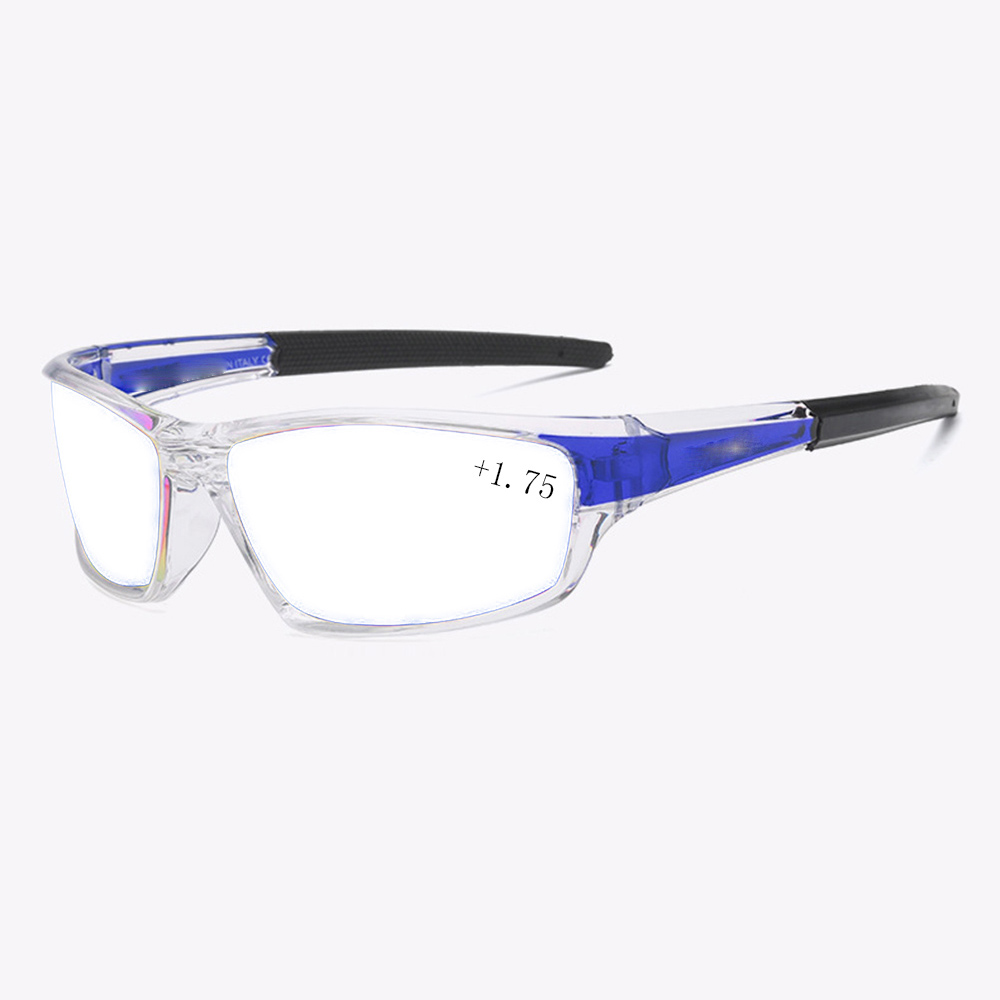
The Mozaer Shield Stick Face Transparent Frame Reading Glasses offer a wide range of powers, from +0.75 up to +6. That makes comparison easier for regular shoppers. The transparent frame style is also simple and easy to wear. Even when I search through myopia glasses photochromic choices, I now use that same rule: pick a seller with clear options, honest support, and feedback that feels real.
Action Step: Choose sellers with honest service, clear product options, and strong real-user feedback.
Lessons Learned
Here’s my straightforward summary: Cheap is tempting. Ads are loud. Reviews take time. Research feels slow. But skipping those steps is exactly what led to my bad purchase. Don’t make my mistake.
- Research: Read the full listing and check the power options.
- Compare: Look at frame build, comfort, and lens details.
- Check reviews: Start with low ratings and buyer photos.
- Buy: Only after the details make sense.
That’s the complete process I use now. It’s simple. It works. And it helps me avoid the same pain again. A big mistake taught me a valuable rule: the right glasses aren’t the ones with the loudest ad or the lowest price. They’re the ones that match real needs, real faces, and real feedback.
Verdict: Follow this order every time: Research -> Compare -> Check reviews -> Buy.


댓글목록
등록된 댓글이 없습니다.